Get Healthy!
- Posted December 6, 2025
New GLP-1 Implant May Help Overweight Pets, Study Underway
Weight loss drugs aren’t just for people anymore; They may soon be available for your furry friend.
A California company, Okava Pharmaceuticals, has launched a clinical trial testing a GLP-1–based weight loss treatment in 50 cats. The treatment uses a small under-the-skin implant, called OKV-119, designed to release medication slowly over six months.
The study, called MEOW-1, is one of the first of its kind.
According to the company, it "is designed to mimic many of the physiological effects of fasting -- improved insulin sensitivity, reduced fat mass and more efficient energy metabolism -- without requiring significant changes in feeding routines or disrupting the human-animal bond that often centers around food."
It has the potential to improve a cat's quality of life and support healthy aging.
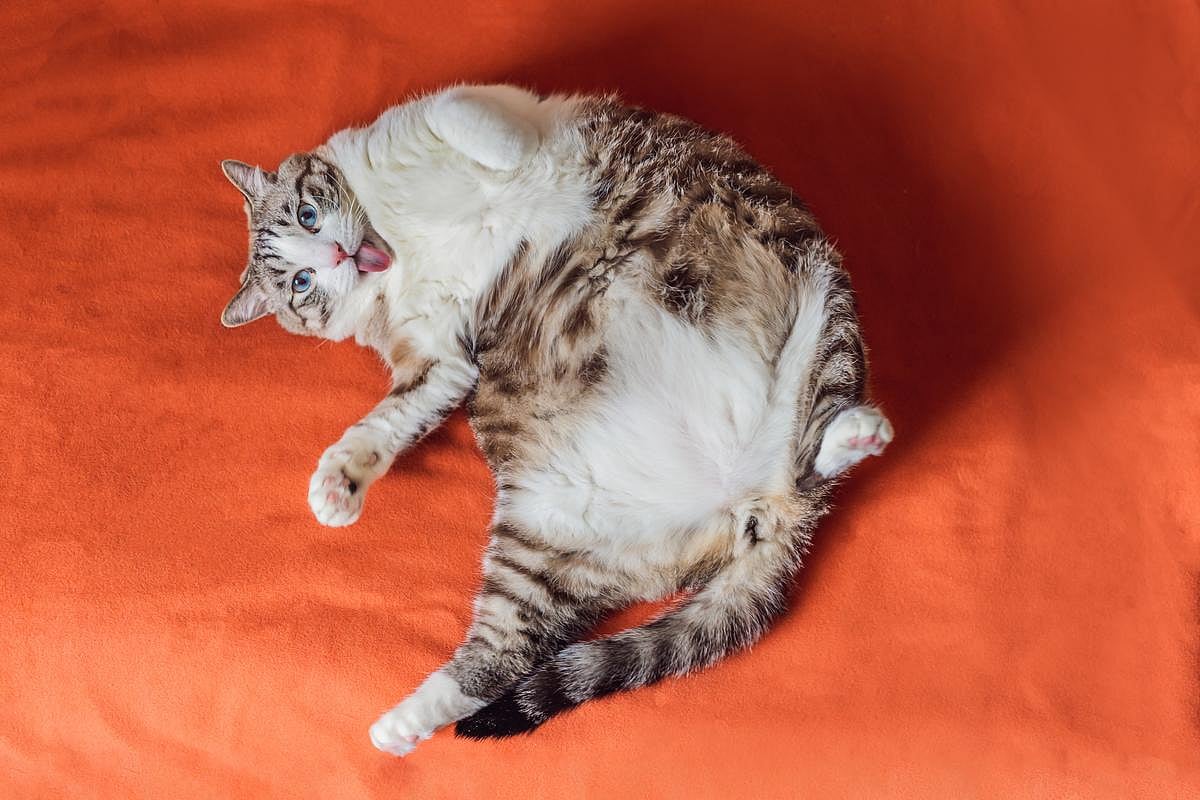
Experts say about 60% of cats in the United States are overweight, which increases the risk of diabetes and other health problems.
"In veterinary medicine for the last 100 years, the only prescription we had was feed less, exercise more, and that just doesn't work for all types of obesity," Dr. Ernie Ward, a veterinarian and pet obesity expert, told CBS News.
He said the new medication may help more than weight alone, pointing to human data showing benefits for diabetes and long-term health.
Ward said the biggest unknowns include cost, side effects and how well the implant actually works. Okava estimates the medication may cost pet owners around $100 per month if it's approved.
Some pet owners say they would consider it.
"He spends most of his days sleeping. He's a lounger … big lounger," cat owner Savannah Tielking, whose 10-year-old cat weighs 21 pounds, told CBS News. "I think that if my vet came to me and was like, 'He's diabetic. We've tried everything else. We should consider that' -- then most definitely."
Results from the MEOW-1 study are expected next summer and Okava plans to seek FDA approval for the implant within two years.
The company says a similar version for dogs is also in development.
More information
The RSPCA has more on pet obesity.
SOURCE: CBS News, Dec. 4, 2025
